
This project has been running since 2022 in collaboration with the following National Landscapes: Blackdown Hills, Dorset and East Devon. Other partners include the Environment Agency, Catchment Sensitive Farming, NFU and AHDB. The project works to engage dairy farmers across the River Axe catchment to build resilience in their business with a focus on improving water quality.
This year the project is working to collect nutrient baseline information focussing on phosphate:
- Farm P balance
- Slurry and FYM loading versus soil and crop requirement
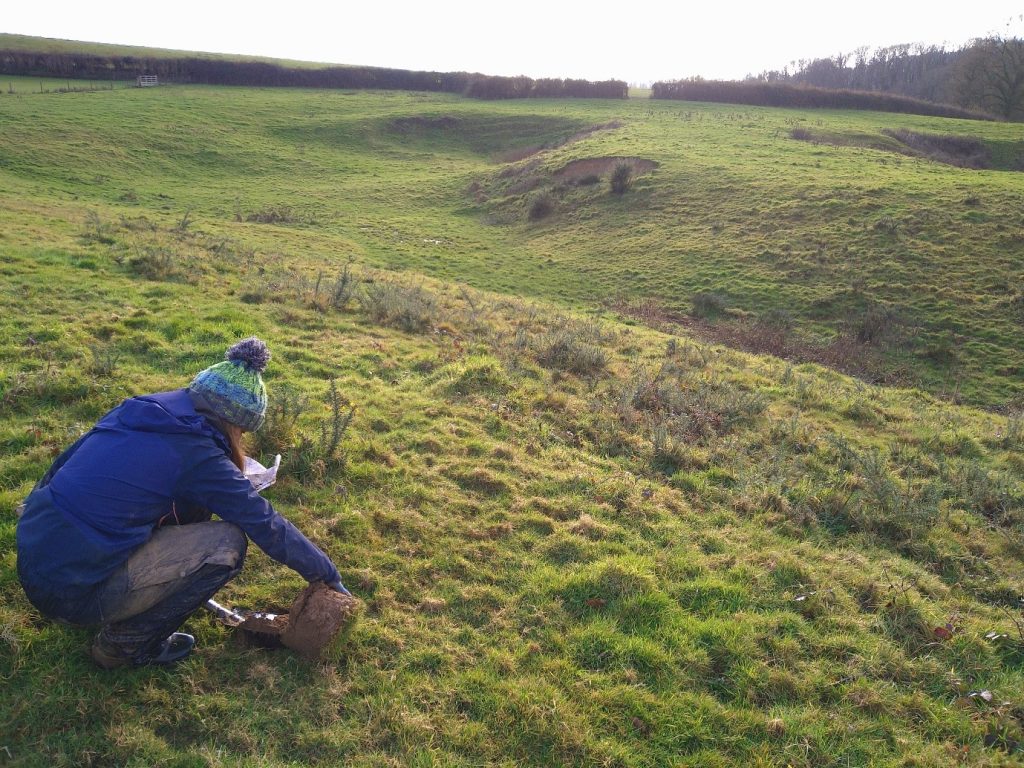
- Soil structure assessment using the AHDB soil health score card
The project will also organise a series of workshops tailored to the farmers’ interests and the project’s goal for improving the River Axe water quality through better phosphate management. Farmers will be invited to apply for the project’s bespoke capital works that will support the project objectives for improving the River Axe water quality.
This project is driven by the Environment Agency’s goal to support farms in exceeding compliance with regulations (SSAFO, Farming Rules for Water) and address concerns over declining river quality in the Axe catchment. The River Axe SSSI/SAC is impacted by suspended sediment and phosphorus levels. By offering nutrient accounting, tailored workshops, and small capital works, the project aims to help dairy farmers improve resilience, achieve environmental compliance, and create a healthier environment while maintaining food production.
Notable project achievements to date include:
- 14 Farm Resilience Plans over the last 3 years which provide the farmer with a holistic plan including business management, habitat management, farm infrastructure, soil health, nutrient management and livestock nutrition. These plans provide a step-by-step strategy with prioritised actions for the farmer to work towards resilience.
- Last year we hosted a winter workshop series covering business management, nutrient management, farmyard infrastructure and adaptive grazing management.
- The local experience we have built with dairy farmers over the last 3 years has enabled us to refine our approach in this project through gaining farmer feedback on what they consider to be the most valuable advice and with a focus on outcomes.
- Feedback from farmers was generally very positive, with some farmers already adopting some changes such as introducing herbal leys and upgrading slurry storage infrastructure.

Project lead / contact is Samantha Read, Farm Environment Adviser – email: samantha.read@fwagsw.org.uk
