
Phosphorus (P) is a vital nutrient for crop growth, yet it’s one of the most elusive when it comes to availability in soil. Despite regular applications of fertilisers and organic matter, only 1–2% of total soil phosphorus is actually accessible to plants at any given time.
But phosphorus isn’t just a crop nutrition issue, it’s also an environmental one. Excess phosphorus, whether available to plants or not, can leach or run off into nearby watercourses, contributing to poor water quality through eutrophication. This is especially concerning in the South West, where our rivers and estuaries are under increasing pressure from nutrient enrichment.
So, it’s not simply a case of “apply more to get more.” In fact, over-application of phosphorus is both costly and environmentally damaging. The good news? There are smarter, more sustainable ways to tap into the phosphorus already present in your soil, therefore saving money on inputs while protecting the water environment.
Here’s a breakdown of the key factors influencing phosphorus availability and how you can optimise them on your farm.
🧪 Soil pH: The Foundation of Phosphorus Efficiency
Phosphorus is highly reactive and easily locked up by minerals like iron, calcium, and aluminium. This “fixation” process renders it unavailable to plants. The sweet spot for soil pH is between 6.5 and 7, a range that minimises fixation and keeps phosphorus in a plant-accessible form.
Action: Regular soil testing and liming where necessary can help maintain this optimal pH range.
🌾 Rooting Depth & Mass: Mining the Immobile Nutrient
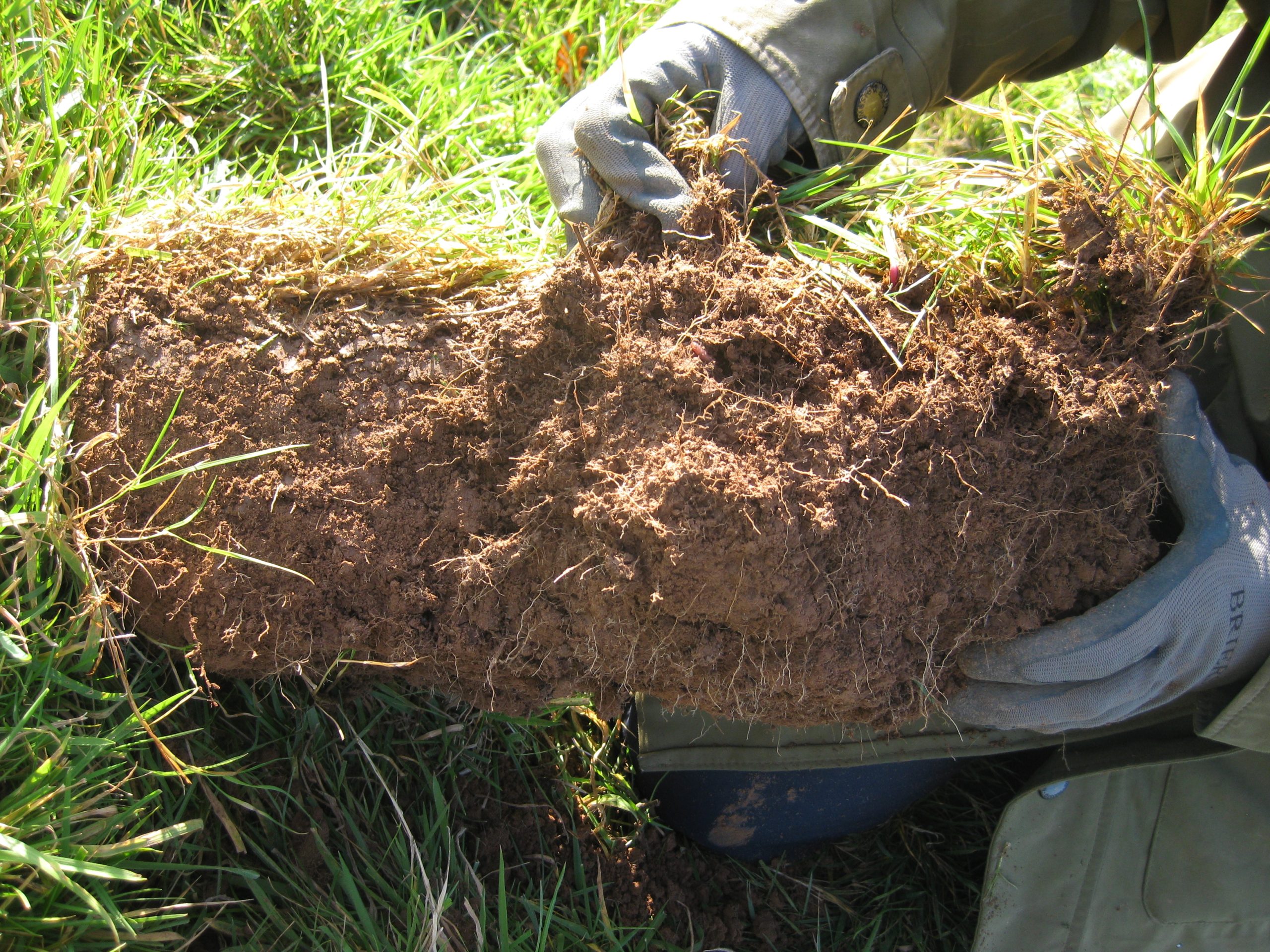
Unlike nitrogen and potassium, phosphorus doesn’t move easily through soil. That means deep, extensive root systems are essential for accessing it. Crops with greater root mass can “mine” phosphorus from a wider area, especially in subsoils where it often accumulates.
Action: Consider diversifying both your rotation and crop varieties/types to promote deeper rooting.
🌿 Soil Health & Organic Matter: Nature’s Conversion Kit
Healthy soils teeming with microbial life are better at converting organic phosphorus into forms plants can use. Organic matter feeds these microbes and improves soil structure, further enhancing nutrient cycling.
Action: Reduce cultivation frequency and/or depth, incorporate composts, manures, and green manures to build organic matter and stimulate microbial activity.
🍄 Mycorrhizal Fungi: Nature’s Network for Nutrient Uptake
These beneficial fungi form symbiotic relationships with plant roots, extending their reach and helping to access phosphorus locked in the soil. Maintaining and encouraging mycorrhizal populations can significantly boost phosphorus uptake.
Action: Minimise soil disturbance and avoid fungicides that harm beneficial fungi. Use mycorrhiza-friendly seed treatments where appropriate.
🌱 Root Exudates: Micro-scale pH Managers
Plant roots release organic acids that can subtly adjust the pH in their immediate vicinity. In calcareous soils, this can help neutralise excess alkalinity and improve phosphorus solubility.
Action: Promote diverse root systems through mixed cropping and avoid over-reliance on high-pH inputs.
⚠️ A Word on Phosphorus Fertilisers
Even water-soluble phosphorus fertilisers are vulnerable to fixation, especially those that are acidic in nature. This means that without proper soil management, much of the applied phosphorus may be lost to the soil matrix.
Action: Apply phosphorus strategically- consider placement, timing, and soil conditions to maximise uptake and minimise waste.
In Summary
Phosphorus efficiency isn’t just about what you apply, it’s about how your soil and plants interact with it. By focusing on pH balance, rooting depth, soil health, and biological partnerships, you can unlock the hidden reserves of phosphorus already in your soil. This approach not only improves crop performance but also protects our precious water environments.
For tailored advice on improving soil conditions that not only enhance phosphorus efficiency but also support wider soil health and farm resilience, please visit our services page here or get in touch with your local FWAG advisor.