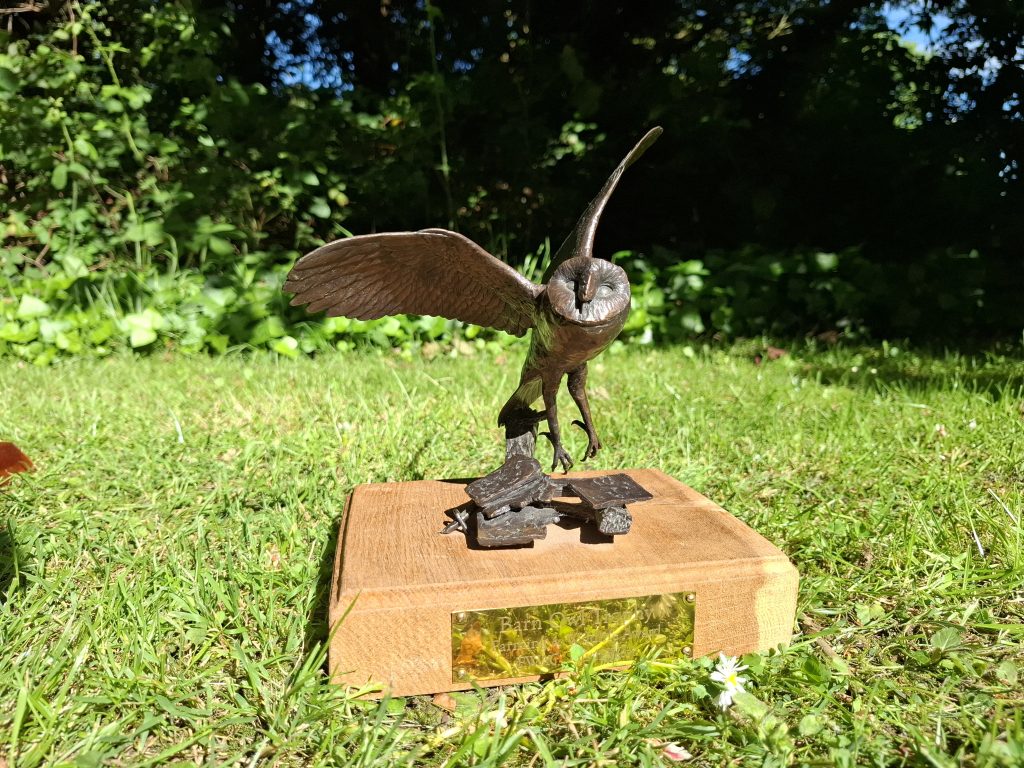
The Barn Owl Award is FWAG SouthWest’s regional award for farming and conservation. It celebrates those who go above and beyond to provide space for wildlife whilst managing sustainable farming enterprises. Each year the winners of our County awards in Cornwall, Devon, Somerset and Gloucestershire go head to head to compete for this coveted prize and the chance to go on and represent the South West in the National Silver Lapwing Award.
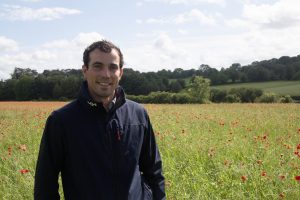
The 2026 winner of the FWAG SW Regional Barn Owl Award is Henry-James Gay of Duchy Home Farm.
A huge thanks to our judging team of Hugh Warmington, Ruth Kimber and Gary Rumbold. The following are their comments on each of the finalists.
The 2026 Barn Owl Judging tour saw the three judges visit four varied farms across the South West on a wet and windy couple of days in June 2026. The common theme this year was one of innovation and new beginnings, reflecting the direction of travel for the wider farming sector and its need to innovate and diversify to improve farm income and spread commercial risks. It was also noticeable to see a high proportion of new entrants, young farmers and entrepreneurs making the finalists list. Without exception the judges were highly impressed with the farm businesses they visited, and it was truly a privilege to see the best sustainable farms the South West has to offer in 2026. As ever, each entrant to the Barn Owl award is already a winner in its own right and the judge’s task to select one overall winner is always a difficult one.
Winner – James Gay, Duchy Home Farm – Tetbury, Gloucestershire
James comes from a Somerset farming family, also previously Duchy tenants, that can trace their farming roots back over 500 years. This farming pedigree and James’ experience of working on his family farm has given him the confidence and inspiration to take on a 20 year tenancy at Duchy Home Farm near Tetbury, Gloucestershire. The organic certified farm has 149Ha of combinable crops, 200Ha of herbal leys, 29Ha of woodland, 30 sheep, 200 head of beef cattle and 220 dairy cows, including a herd of pedigree Ayrshires.
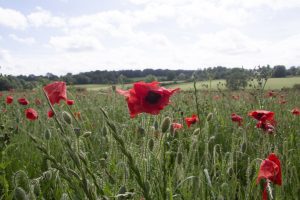
James has worked hard to get the whole farm into a very comprehensive SFI scheme that works for him, his business and nature. His well established 15m margins around his arable fields have been used to support farm efficiency whilst connecting habitats across the farm. Adjacent to the arable fields the judges were treated to one of the farm’s wildflower meadows that was making a great show of its wild poppies and supporting an impressive insect population, despite the heavy rain showers on the day of our visit. James has impressively managed to quadruple the wildflower meadow hectarage to 23 Ha since taking on the tenancy and is managing them well with late hay cuts.
The 29Ha woodland on the farm was a joy to walk around. It was being actively managed for wildlife by James and the Duchy estate, with bird boxes, beehives, and hazel coppicing all visible while we were there. Rides throughout the woodlands provided light and space and new planting was evident to replace areas where trees had previously been lost.
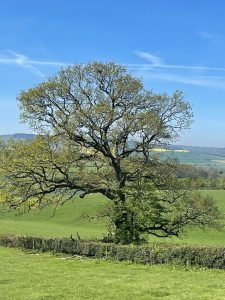
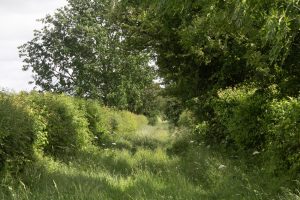
Hedgerow management on the farm has benefitted from a long-term plan to introduce hedgerow standard trees that are now mature and delivering for the wildlife and the landscape. With many old hedges reaching widths of 7m as a result of a sympathetic hedge management plan, there has also been more recent introductions of many more hedgerow standards. The hedges at Duchy Home Farm were among some of the best the judges had seen and were a real asset to the farm.
James has been working with the Farm Carbon Toolkit to reduce carbon emissions, adopting the use of hydrogenated vegetable oil to replace red diesel and switching to a dribble bar / umbilical system for targeted and efficient slurry applications. The judges were impressed that CO2 emissions from dairy were less than half per litre of milk (FPCM) than the national average. Future plans for a new agricultural shed include 200KWs of solar array on the roof, LED efficient lighting and low energy ventilation systems.
Several school visits under the FWAG Kingfisher Award Scheme in the last two years have taken place, along with training and showcasing events for a range of groups interested in organic farming
The judges were impressed with the many achievements by James and his young team in such a short time, building on what has gone on before and driving innovation and improvement whilst being sympathetic to the farm’s natural assets. James is investing in his team of co-workers and his management style is one of inclusion and encouragement to be innovative. The Barn Owl award is very much about commerciality but with a real focus on environmental sustainability and the judges thought that Duchy Home Farm completely captured this essence. So often with Barn Owl winners, its’s the attention to detail that makes the difference and James ably demonstrated this. We congratulate James as a worthy winner of the 2026 Barn Owl Award.
————————————————–
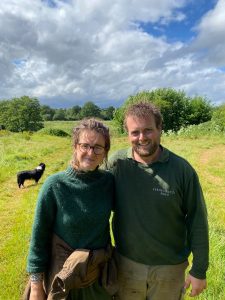
Amelia & Jason Greenway, Springwater Farm @ Columbjohn Farm – Devon.
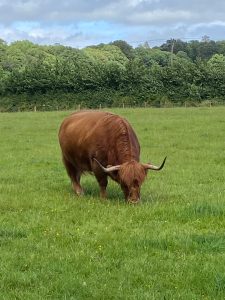
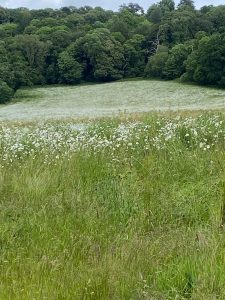
Amelia and Jason took on a farm tenancy on the National Trust’s Killerton estate in 2023 and very much work in partnership with the Trust to manage the farm. Although there is a focus on wildlife outcomes and sustainability, Amelia and Jason use this focus to their advantage to develop diverse income streams and value-added products to develop their organic business. The judges were very impressed by the establishment of the newly created species-rich hay meadows which were rich foraging grounds for a thriving local bat population; the wood pasture conservation grazing; the large amount of tree planting and new orchards. The highland cattle grazing the flood plain were a delight to see. Community engagement was at the forefront of the farm’s ethos with farm tours for Killerton visitors but most noticeably with a comprehensive education program for young people, with a real focus on special needs. Our visit was bookended by a school visit and a local scout group visiting and Amelia’s tireless enthusiasm was evident. Amelia and Jason are a perfect example of farmers with a highly principled, yet practical vision for their farm business and how it interacts with communities and nature.
————————————————–
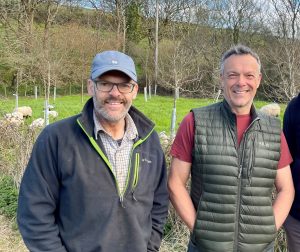
Williams Family, Presingoll Farm, St Agnes – Cornwall
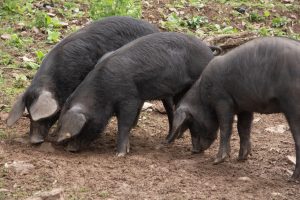
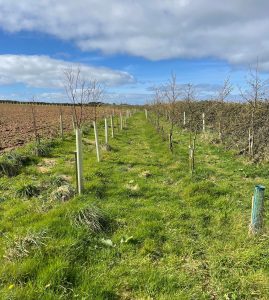
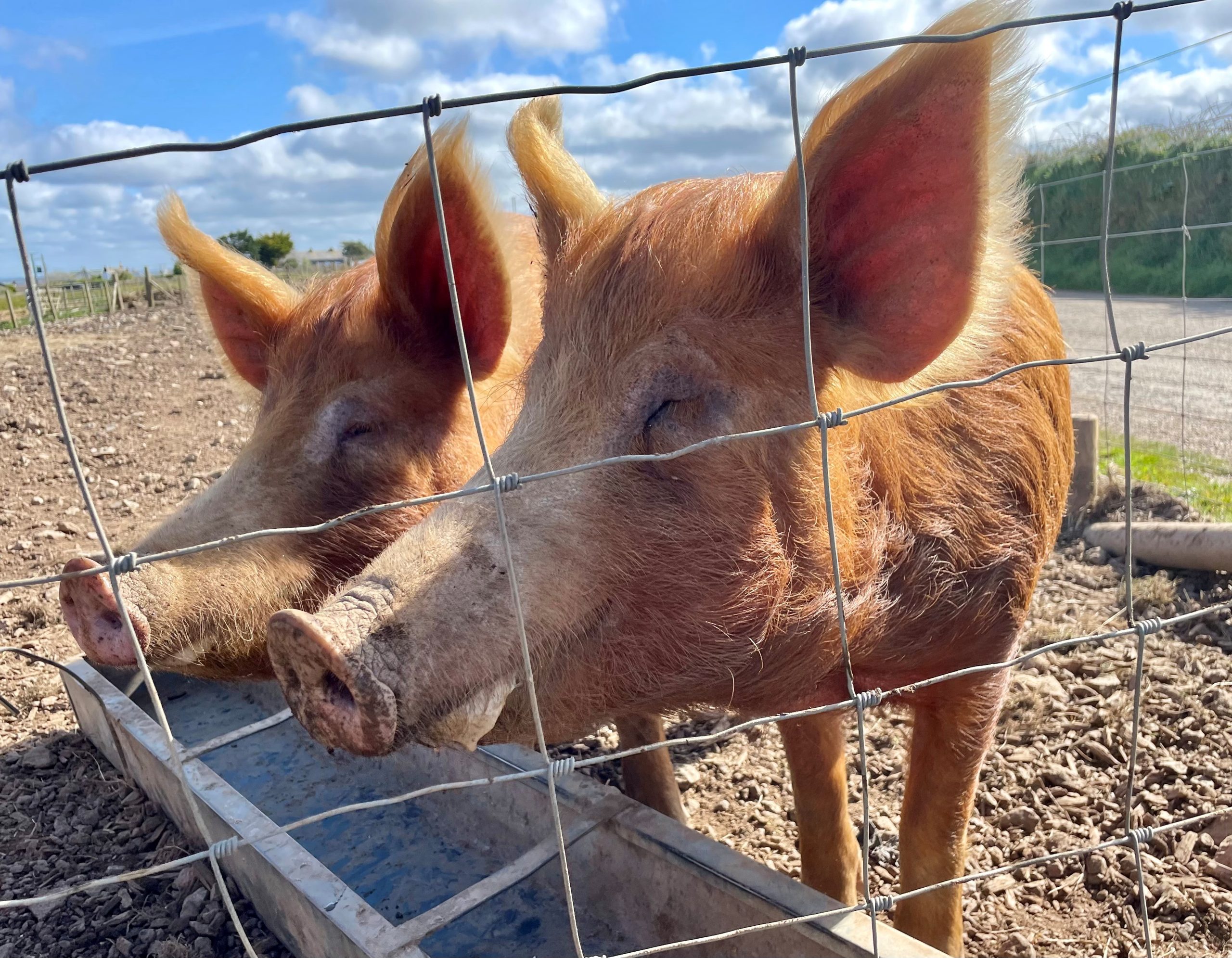
Presingoll Farm is the very definition of a multi-generational diversified farm. What makes it so special is the fantastic working relationship between all the partners and the care that has gone into thinking how all the elements work together for the benefit of all. The judges were impressed with the regenerative farming practices the farm employs to maintain healthy soils, especially noting the unique rotational aspect to the tree nursery growth, allowing fields to recover and fertility to build. Pigs have been introduced to good effect on the farm, happily rooting in wood pastures, and providing an income from sales to a highly localised food market. Cover crops and wide field margins are used to good effect on what is a very exposed, high rainfall site. The 3-year cutting regime for hedgerows was showing real benefits, with healthy hedges seen across the farm and we noted that this was already improving numbers of beneficial insects and birdlife. We were also impressed with the large, yet discreet solar array that powers a small industrial complex adjacent to the farm, and the use of rainwater harvesting from the newly built polytunnels. The farm demonstrated innovation, diversity, strong family values and a passion for their produce and the environment.
————————————————–
Crowcombe Estate – Somerset
The Crowcombe Estate, by necessity, has had to make significant and rapid changes, following the tragic death of its owner in October 2022. Tasked with managing the estate sympathetically for the environment whilst being commercially viable, Jim Laver the Estate Manager, Laura Francis as their Land Agent and a much wider team behind them, have made huge progress in a short time. The judges thought the scrub clearance regime using pigs and roboflails on steep and inaccessible land had greatly improved the farm habitats. Bringing sheep and beef cattle back on to the land has also improved grazing regimes across the Estate’s parkland, bringing land back into favourable management. Meat from the farm is sold back through the local pub, also owned by the estate and adding value to their produce. The estate has worked hard at getting a comprehensive Higher Tier agreement in place which they hope to start shortly, which will make great strides at improving the condition of several SSSI’s on the estate. Jim has a clear vision for the estate with a view to restoring it to a point in the late 18th Century and has thought hard about how the landscape would have been used and viewed at that time. The judges were very impressed with the pace of change the team at Crowcombe Estate have achieved and the environmentally sympathetic, yet commercial, approach to working with the natural and heritage assets on the Estate.